BREASTFEEDING

Breastfeeding products cover a wide range of practical supports, from breast pumps and nursing pads to nipple creams, storage bags, nipple shields, and Silverette nursing cups. Choosing the right combination depends on how you plan to feed, whether you are exclusively breastfeeding, expressing, or combining both, and on your own comfort needs in the early weeks.

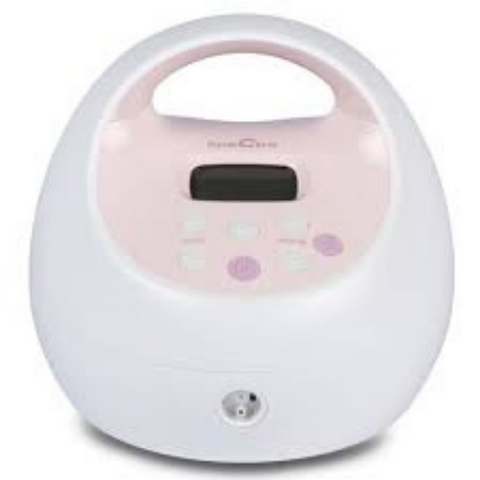
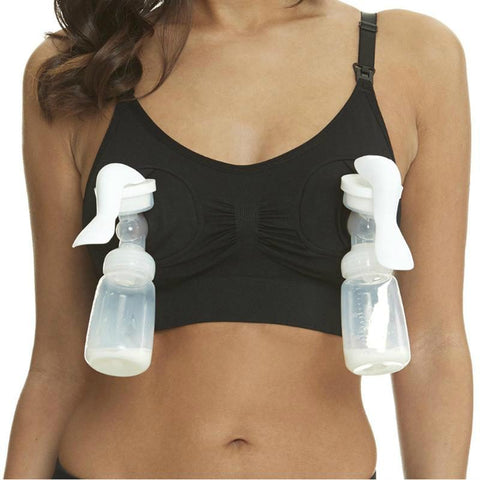
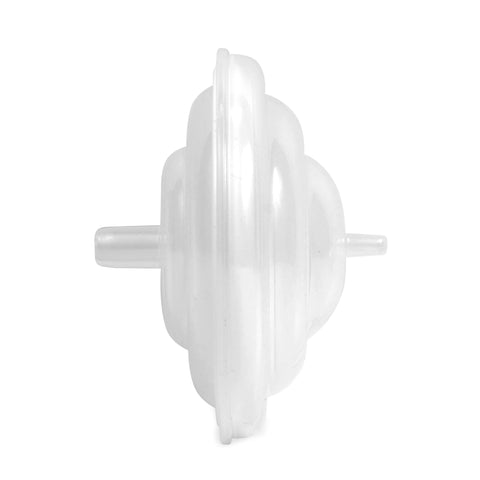
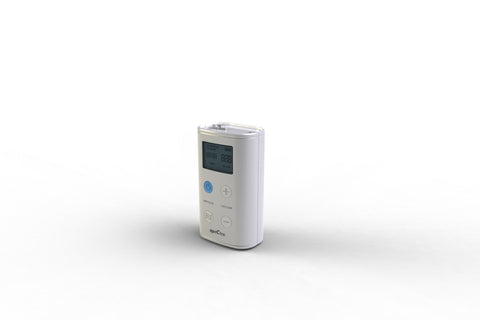
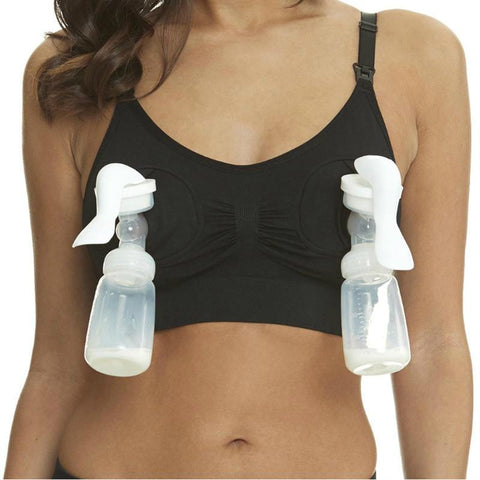
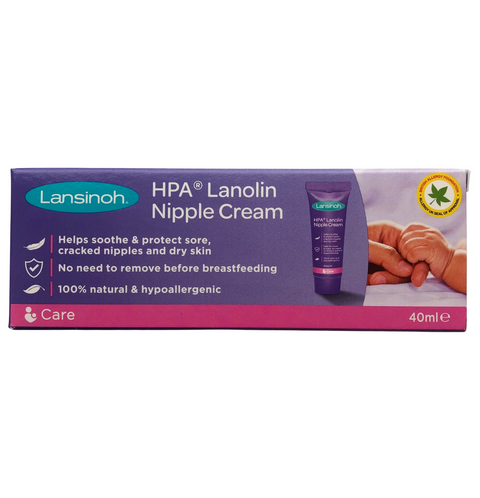
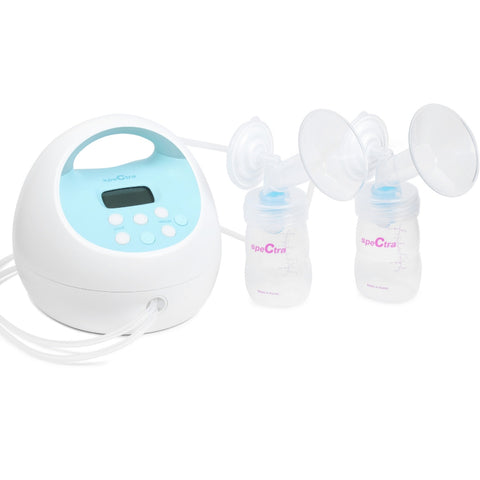
Nipple creams containing lanolin, such as those in the Lansinoh range, are commonly chosen for soreness during the first days of feeding. Breast shells and Silverette silver nursing cups are widely used between feeds for nipple protection and comfort. Electric and manual breast pumps vary in suction settings and portability; a hospital-grade double electric pump suits those expressing regularly, while a compact single pump suits occasional use or travel. Reusable nursing pads reduce waste and are gentler on sensitive skin than disposable options.

At Leahy's Pharmacy in Tralee, our team can help you navigate the range and find products suited to your stage of feeding. If you have concerns about latch, supply, or nipple pain, our pharmacist can advise or refer you to a lactation consultant. Browse the full range below.
26 products

Frequently Asked Questions

What breastfeeding products do I need for the first weeks? +
Most new mums find a small core of breastfeeding products covers the first weeks: a lanolin nipple cream for soreness, a few packs of nursing pads, two or three nursing bras, and breast shells or silver cups for between feeds. A breast pump is useful from around week three to four if you plan to express, though some mums benefit from a manual pump earlier. Our pharmacy team can help you build a starter kit.
Are breastfeeding products different for pumping versus direct nursing? +
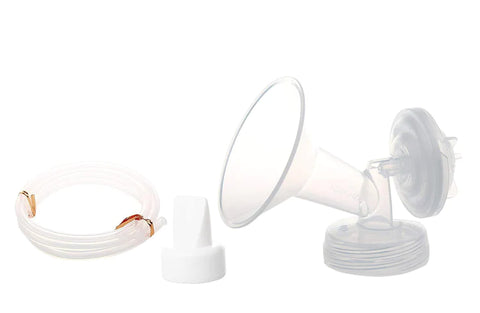
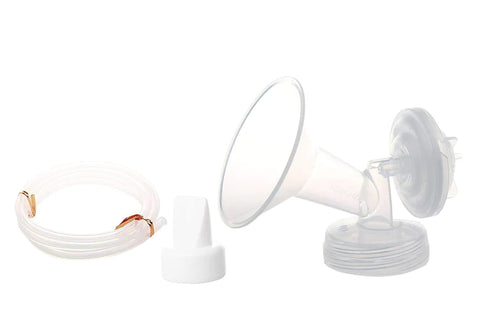
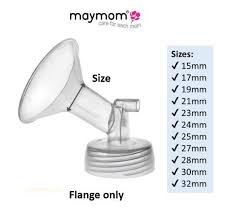
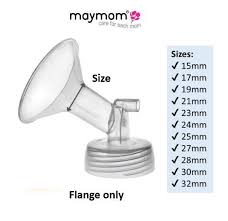
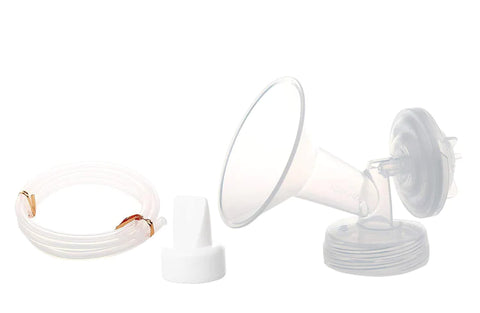
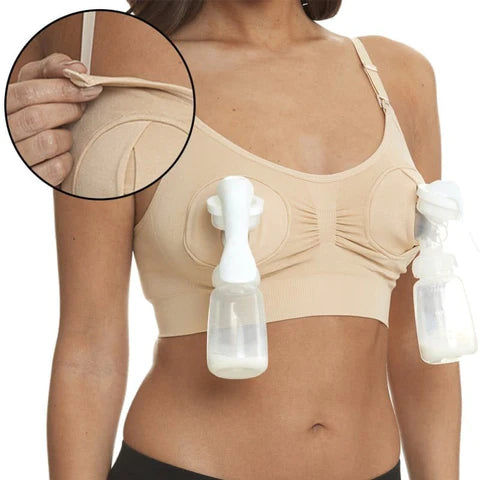
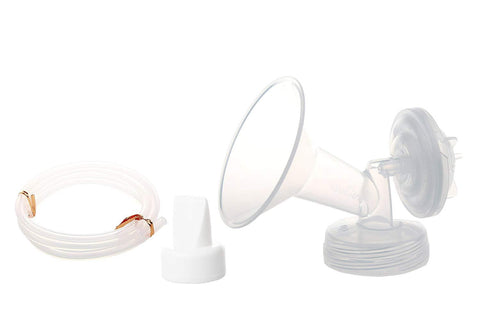
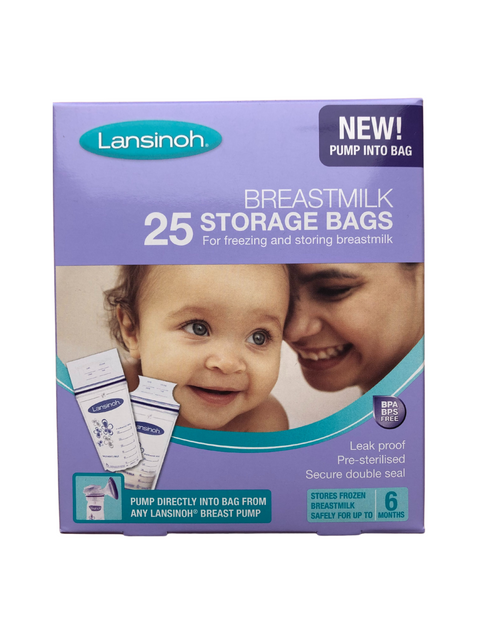
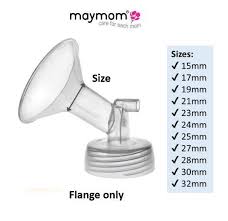
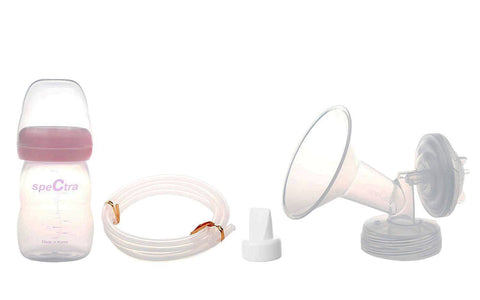
Some breastfeeding products overlap and some are pump-specific. Direct nursing mainly needs nipple cream, pads, comfortable nursing bras, and optionally nipple shields or silver cups. Pumping additionally requires a breast pump with the right flange size, expression set, storage bottles or bags, sterilising equipment, and a cool bag for transport. Many mums use both, especially when returning to work, and the breastfeeding products from each side are usually compatible.
How do I clean and care for breastfeeding products? +
Breastfeeding products that come into contact with milk should be cleaned after every use and sterilised at least once a day for the first six months. Hot soapy water followed by sterilising (steam, microwave, or cold-water tablet) is widely recommended. Silver nursing cups are cleaned with soap and water and dried completely. Reusable nursing pads can be machine washed with sensitive detergent. Always check the cleaning guidance specific to each product.
When should I speak to a pharmacist or lactation consultant about breastfeeding? +
Speaking to our pharmacist at Leahy's in Tralee about breastfeeding products is useful for choosing nipple creams, breast pumps, flange sizes, and managing minor soreness. For concerns about latch, low supply, oversupply, mastitis symptoms, persistent nipple pain, baby's weight gain, or feeding refusal, a lactation consultant or your public health nurse is the appropriate next step. Our pharmacy team can help with that referral if you are unsure where to start.