Plasters

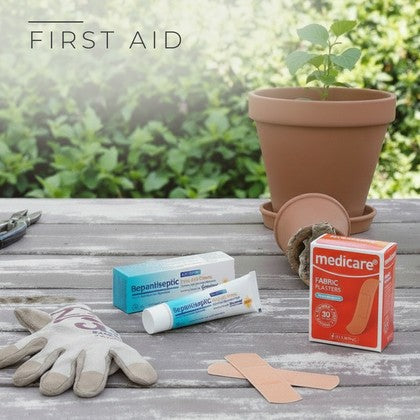
Small cuts, a graze on a knee or a rubbed heel are usually the first test of any home first aid box. The range covers the everyday types from Medicare: flexible fabric plasters, waterproof plasters for showering and swimming, extra large transparent plasters that stay on when wet, sensitive plasters for delicate skin, and specialist blister and burn plasters. Keeping two or three types at home means you are ready for most small knocks and scrapes.

Fabric plasters bend with knuckles and knees, and transparent ones are less noticeable on the face or hands. Blister plasters use a cushioning gel pad on heels and toes, though anyone with diabetes or poor circulation should ask our pharmacist before using them on the feet. Burn plasters are for small, minor burns once they have been cooled under cool running water for 20 minutes, and our pharmacist can help if a wound is large, deep or looks infected. For corns, calluses and other foot problems, also see our foot care range.

10 products

Frequently Asked Questions

Which plaster should I choose for a small cut? +
Fabric plasters are flexible and suit knuckles, knees and other areas that move a lot. Waterproof plasters suit showering and swimming, while transparent plasters stay on when wet and are less noticeable. If your skin reacts to adhesives, sensitive plasters use a gentler adhesive. Choose a size large enough that the pad, not the sticky part, sits over the cut.
How do blister plasters work? +
Blister plasters contain a gel layer that cushions the blister, protects it from further rubbing and keeps the area moist. Apply one to clean, dry skin and leave it in place until it starts to come away on its own. Do not use one on a blister that looks infected, and if you have diabetes or poor circulation, ask our pharmacist or GP first.
Can burn plasters be used on any burn? +
Burn plasters are for small, minor burns only, applied after the burn has been cooled under cool running water for 20 minutes, without ice, creams or butter. Large or deep burns, burns on the face, hands, feet or genitals, chemical or electrical burns, and any burn on a baby or young child need medical attention. If unsure, speak with our pharmacist or your GP.
How often should I change a plaster? +
Most plasters should be changed when they get wet or dirty, when they start to peel, or once a day so you can check the wound, though blister and burn plasters are designed to stay on longer, so follow the pack directions for those. Clean the skin gently and let it dry before applying a fresh one. If the area becomes more red, swollen, warm or starts to ooze, ask our pharmacist or GP.