Vitamin D

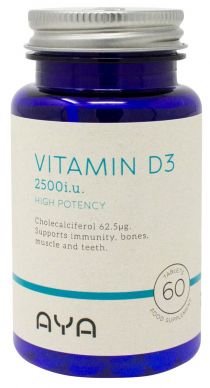
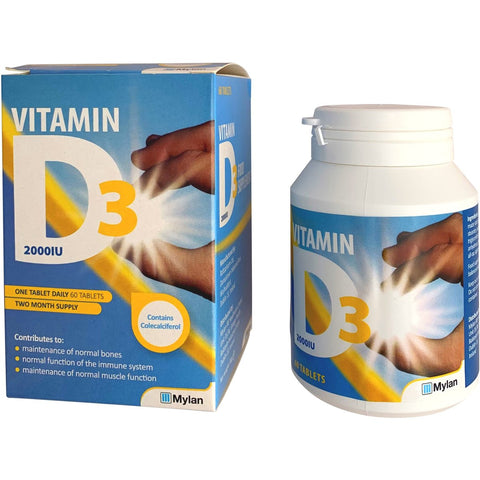
Vitamin D contributes to the maintenance of normal bones and to the normal function of the immune system. In Ireland the HSE recommends a daily vitamin D supplement for most people during the winter months, because there is not enough sunlight between Halloween and St Patrick's Day for the body to make its own.

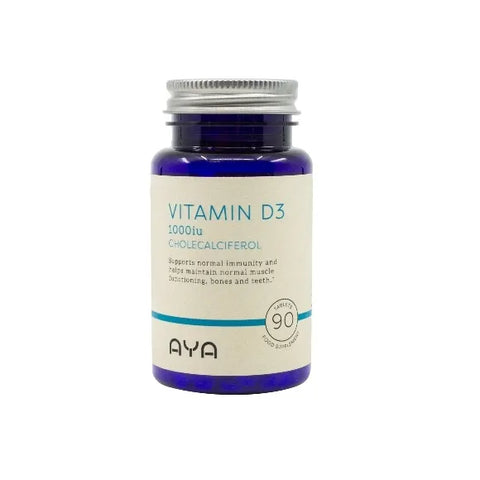
This collection includes drops, sprays, capsules and tablets in a range of strengths, for infants, children and adults. The right strength depends on age: HSE guidance is 5 micrograms daily for children aged 1 to 4, 10 micrograms for children aged 5 to 12, and 15 micrograms for people aged 13 and over. Adults aged 65 and over are advised to take it all year round.

Choose a product labelled for the right age group and follow the dose on the pack. Food supplements should not be used as a substitute for a varied and balanced diet and a healthy lifestyle. If you have a diagnosed deficiency or take other medicines, speak to your GP or our pharmacist. You may also find our probiotics & gut health range useful.

Frequently Asked Questions

How much vitamin D is recommended in Ireland? +
HSE guidance depends on age. Children aged 1 to 4 need 5 micrograms a day from Halloween to St Patrick's Day. Children aged 5 to 12 need 10 micrograms over the same winter period. People aged 13 to 64 need 15 micrograms from Halloween to St Patrick's Day, and all year round if they are pregnant, have darker skin or get little sunlight. Adults aged 65 and over need 15 micrograms every day, all year round.
Which vitamin D format suits my child? +
The HSE advises that liquid drops of a vitamin D-only supplement are usually best for children aged 1 to 4, and that chewable or tablet supplements are not suitable at that age because of the risk of choking. For older children, drops, sprays and chewables are all available. Ask our pharmacist if you are unsure which product matches your child's age.
Can I take too much vitamin D? +
Yes. The HSE advises that adults and children aged 11 and over should not take more than 100 micrograms of vitamin D a day. Higher-strength products are sometimes recommended following a confirmed deficiency, but that decision should be made by your GP. Do not exceed the dose on the label without advice.
Should I take vitamin D with food? +
Vitamin D is fat soluble, so taking it with a meal containing some fat may help absorption. Taking it at the same time each day makes it easier to remember. If you notice any stomach discomfort, try taking it with your largest meal of the day.